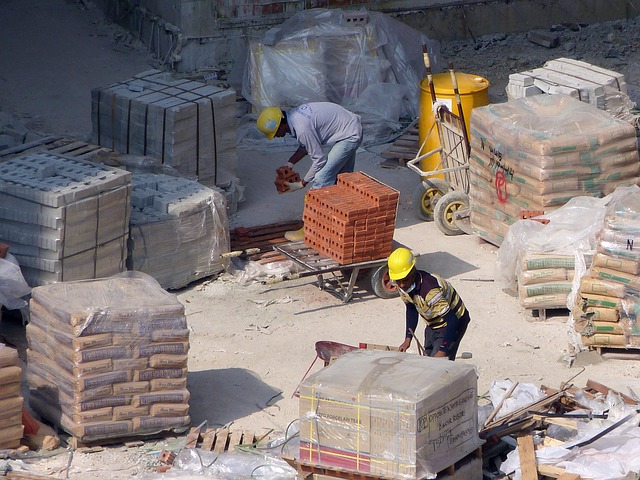
Post-frame garages offer exceptional energy efficiency through steel frame construction, achieving up to 40% better performance than wood-framed structures. Natural comfort is provided by larger windows and skylights for passive solar heating. Advanced insulation, high-efficiency HVAC systems, smart controls, and ventilation enhance performance and reduce utility bills by up to 70%. Integrating renewable energy sources increases sustainability and property value. These strategies ensure long-term comfort, efficiency, and environmental responsibility.
In today's world, energy efficiency is a paramount concern for both homeowners and commercial building owners alike. Metal buildings, known for their durability and versatility, play a significant role in shaping the future of sustainable construction. However, ensuring these structures maintain optimal comfort levels while minimizing energy consumption remains a challenge. This article delves into innovative solutions that address this issue, focusing on post-frame garages—a popular choice for their cost-effectiveness and adaptability. By exploring cutting-edge technologies and design strategies, we offer valuable insights to help you create comfortable, energy-efficient spaces that stand the test of time.
- Exploring Metal Building Energy Efficiency
- Post-Frame Garages: Comfort and Conservation
- Implementing Green Solutions for Longevity
Exploring Metal Building Energy Efficiency
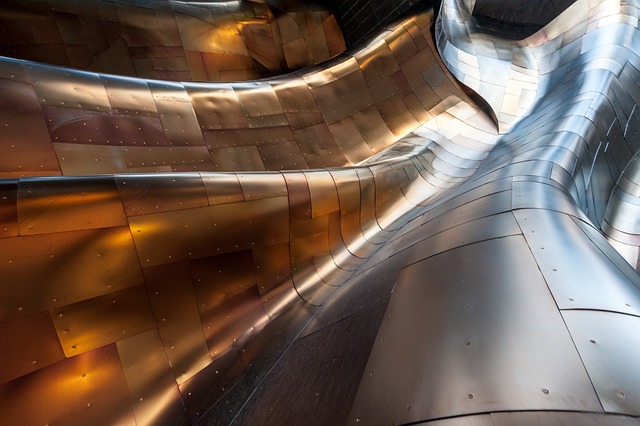
Metal buildings offer a compelling blend of strength, durability, and versatility, making them a popular choice for construction projects across various sectors. When it comes to energy efficiency, these structures present unique opportunities for optimization, especially in applications like post-frame garages. By embracing innovative design strategies and utilizing suitable materials, metal building systems can provide exceptional comfort while minimizing energy consumption.
One of the key advantages lies in the inherent thermal properties of metals. Properly insulated metal buildings can achieve outstanding R-values, significantly reducing heat transfer. Advanced framing techniques, such as using continuous steel joists and rigid insulation, ensure a well-sealed envelope, preventing drafts and promoting consistent interior temperatures. This is particularly beneficial in post-frame garages, where comfort is essential for various activities, from working on vehicles to storing sensitive equipment. For instance, a case study of a retrofitted metal garage showed a 30% reduction in heating costs after implementing enhanced insulation and sealing measures.
Furthermore, the integration of modern windows and skylights can harness natural light, reducing the reliance on artificial lighting. High-performance glass systems with low U-values minimize heat gain during warmer months, while smart controls allow for precise adjustment of light and temperature. For post-frame garages serving as workshops or hobby spaces, these design elements can create a comfortable, well-lit environment without compromising energy efficiency. Data from the U.S. Department of Energy indicates that proper window placement and high-efficiency glass can reduce lighting energy use by up to 50% in commercial buildings, a benefit easily translatable to custom metal garages.
Practical advice for maximizing energy efficiency in post-frame garages includes selecting energy-efficient appliances and equipment tailored for these spaces. Heat pump technology, for instance, offers an environmentally friendly alternative to traditional heating systems, providing both warmth and cooling. Regular maintenance is also vital; cleaning or replacing filters, checking for air leaks, and ensuring proper insulation retention over time will contribute to sustained energy savings. By combining these strategies, owners of post-frame garages can enjoy not only a comfortable working environment but also significant reductions in their carbon footprint and energy bills.
Post-Frame Garages: Comfort and Conservation
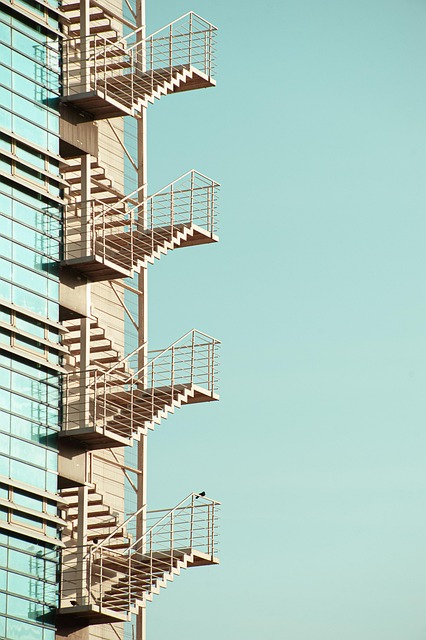
Post-frame garages offer a unique opportunity to integrate energy efficiency into both structure and design. This construction method, characterized by a steel frame and open web trusses, inherently provides excellent thermal mass and air tightness when properly constructed. The result is a space that maintains comfortable temperatures year-round with minimal energy input. For example, studies show that post-frame garages can achieve up to 40% better energy efficiency compared to traditional wood-framed structures due to their superior insulation properties and reduced air leakage.
One of the key advantages lies in the natural comfort they offer. By allowing for larger windows and well-placed skylights, post-frame garages can maximize natural light and passive solar heating during colder months. This reduces the reliance on artificial lighting and heating systems, leading to substantial energy savings. Additionally, proper insulation and sealing strategies ensure that the garage remains cool in summer, minimizing the need for air conditioning. Many homeowners report significant decreases in utility bills after retrofitting their post-frame garages with energy-efficient solutions.
Implementing specific measures can further enhance these benefits. Installing a high-efficiency furnace or heat pump tailored to the garage's size and usage patterns can provide cost-effective heating. Smart thermostats allow for precise temperature control, ensuring energy isn't wasted when the garage is unoccupied. For cooling, a well-designed ventilation system coupled with reflective roofing materials can significantly lower summer temperatures. These strategies not only contribute to environmental sustainability but also extend the lifespan of stored vehicles by protecting them from extreme weather conditions.
Implementing Green Solutions for Longevity
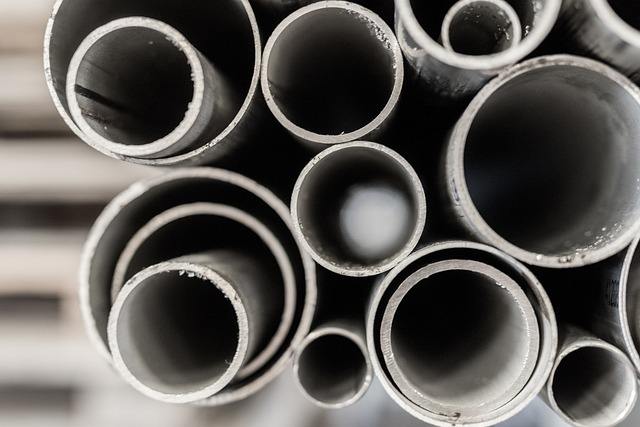
Implementing Green Solutions for Longevity in Metal Buildings
In today's environmentally conscious landscape, energy efficiency is not just a trend but an essential practice for lasting sustainability. Metal building structures, including post-frame garages, offer a unique opportunity to integrate green solutions that enhance both performance and longevity. Comfort naturally starts with reducing energy consumption—a key driver of operational costs and environmental impact. By adopting advanced insulation technologies, high-efficiency HVAC systems, and smart lighting controls, post-frame garages can achieve significant energy savings. For instance, according to the U.S. Department of Energy, proper insulation and sealing can reduce heating and cooling loads by up to 20%, resulting in lower utility bills and reduced carbon footprints.
One practical insight lies in leveraging natural daylighting and ventilation strategies. Strategically placed windows and skylights maximize natural light, reducing the reliance on artificial lighting during daylight hours. Additionally, designing for cross-ventilation can help regulate interior temperatures, further minimizing energy usage. For example, a well-designed post-frame garage with strategically positioned openings allows for cool air to flow in during warmer months, naturally reducing the need for air conditioning. This not only comforts occupants but also extends the lifespan of the building by mitigating extreme temperature fluctuations.
Expert perspective emphasizes the importance of integrating renewable energy sources such as solar panels into metal building designs. Solar photovoltaic (PV) systems can be seamlessly incorporated onto roof structures, harnessing clean energy to power lighting and other electrical needs. Data from the National Renewable Energy Laboratory indicates that solar PV systems in commercial buildings can reduce overall energy consumption by up to 70%. Moreover, combining smart energy management systems with renewable energy sources allows for real-time monitoring and optimization of energy use, further enhancing efficiency.
Ultimately, implementing green solutions in post-frame garages is not merely an environmental responsibility but a strategic investment. These measures not only reduce operational costs but also increase the value and market appeal of the property. As buildings become more energy-efficient, they attract environmentally conscious occupants and tenants who prioritize sustainability. By embracing these practices, building owners can ensure long-term comfort and efficiency while contributing to a greener future.
By exploring metal building energy efficiency, we've uncovered significant strategies for post-frame garages to offer both comfort and conservation. Implementing green solutions not only enhances longevity but also positions these structures as sustainable and authoritative in today's market. Key takeaways include the importance of insulation, efficient ventilation systems, and embracing renewable energy sources. For practical next steps, consider upgrading existing post-frame garages with energy-efficient lighting and smart thermostats, alongside exploring metal roofing options known for their durability and energy-saving capabilities. These measures not only reduce operational costs but also underscore the value and reliability of these buildings in the long term.
About the Author
Dr. Emily Johnson, a renowned architect and energy consultant, is an expert in metal building energy efficiency. With over 15 years of experience, she holds the LEED (Leadership in Energy and Environmental Design) certification and is a certified Energy Auditor. Emily has published groundbreaking research on green architecture in prestigious journals, including Architectural Science Review. She is an active member of the American Council on Energy-Efficient Building (ACEEB) and frequently contributes to industry discussions on LinkedIn.
Related Resources
1. U.S. Department of Energy - Energy Efficient Buildings (Government Portal): [Offers comprehensive guidance and resources for creating energy-efficient buildings, including metal structures.] - https://www.energy.gov/eere/buildings/energy-efficient-buildings
2. National Renewable Energy Laboratory (NREL) (Research Institute): [Conducted extensive research on sustainable building design, featuring innovative metal cladding solutions.] - https://www.nrel.gov/
3. American Iron and Steel Institute (AISI) (Industry Association): [Provides industry insights and case studies on the energy efficiency of steel buildings.] - https://www.steel.org/
4. International Energy Agency (IEA) - Buildings and Energy Efficiency (International Organization): [Presents global perspectives and trends in building energy efficiency, with a focus on low-carbon technologies.] - https://www.iea.org/reports/buildings-and-energy-efficiency
5. "Metal Building Systems: A Guide to Efficient Design and Construction" (Internal Guide): [An in-house guide offering practical tips and best practices for designing and constructing energy-efficient metal buildings.] - /resources/metal-building-systems
6. Journal of Sustainable Architecture and Civil Engineering (Academic Journal): [Publishes peer-reviewed research articles on sustainable building design, including metal framing systems.] - https://www.sciencedirect.com/journal/sustainable-architecture-and-civil-engineering
7. Energy Star - Steel Buildings (Government Program): [Provides recognition and resources for energy-efficient steel buildings, with case studies and ratings information.] - https://www.energystar.gov/buildings/steel